

tempered glass roof
OEM Right Angle Brackets The Versatile Solution for Your Mounting Needs OEM right angle brackets are an essential component in many industries, providing a versatile solution for mounting various equipment and fixtures. These brackets are designed to securely hold objects at a right angle, providing stability and support in a wide range of applications. One of the key benefits of OEM right angle brackets is their versatility. These brackets can be used in various industries, including automotive, aerospace, construction, and electronics. They are commonly used to mount shelves, cabinets, frames, and other heavy equipment onto walls, ceilings, or other surfaces. In addition to their versatility, OEM right angle brackets are also known for their durability and strength. These brackets are typically made from high-quality materials such as steel, aluminum, or stainless steel, making them sturdy enough to withstand heavy loads and harsh environments. This ensures that your equipment will remain securely mounted for years to come . Another advantage of OEM right angle brackets is their ease of installation oem right angle brackets . These brackets are designed to be easily mounted onto any surface, making them a convenient and cost-effective solution for a wide range of mounting needs. Whether you are a DIY enthusiast looking to mount a shelf in your home or a professional contractor working on a construction project, OEM right angle brackets can save you time and effort. Furthermore, OEM right angle brackets come in a variety of sizes and styles to suit different mounting requirements. Whether you need a small bracket for a lightweight application or a larger bracket for a heavy-duty project, there is a wide selection of options available to meet your specific needs. Overall, OEM right angle brackets are an essential component for anyone looking to securely mount equipment and fixtures in various industries. Their versatility, durability, strength, and ease of installation make them a practical and reliable solution for a wide range of mounting needs. So next time you need to mount something at a right angle, consider using OEM right angle brackets for a secure and dependable solution.
about
tempered glass roof
Understanding Precision Frame Level in Modern Manufacturing In the realm of manufacturing and engineering, the term precision frame level has become increasingly pivotal. As industries worldwide evolve, the need for precision and accuracy in production processes has grown significantly. It is essential to delve into this topic, exploring its mechanisms, its importance in various sectors, and the technologies that underpin its application. What is Precision Frame Level? Precision frame level refers to the degree of accuracy and stability in a framework used for assembly, construction, or manufacturing processes. It ensures that the elements within a frame are aligned and leveled to meet strict tolerances. In practical terms, a precision frame acts as a reference point, allowing engineers and technicians to work with confidence that their projects will yield the intended results without anomalies caused by misalignments or inaccuracies. The Importance of Precision in Manufacturing The importance of precision in manufacturing cannot be overstated. In sectors such as aerospace, automotive, and high-tech electronics, even the slightest deviation from the specified measurements can lead to catastrophic failures or costly recalls. As products become more complex, the tolerances required shrink, necessitating advanced measures to ensure that every part fits together as designed. Moreover, precision directly influences the efficiency of production processes. High levels of accuracy reduce the need for rework, which can drain resources and lead to project delays. Precision frame levels improve workflow, enhance product quality, and can contribute to cost reductions in the long term. As businesses strive for lean manufacturing principles, precision becomes a key performance indicator. Technological Innovations Enhancing Precision The evolution of technology has significantly impacted the concept of precision frame levels . High-precision tools, laser leveling systems, and computer numerical control (CNC) machines are just a few examples of innovations that are helping to achieve unprecedented levels of accuracy. precision frame level 1. Laser Leveling This technology employs laser beams to determine a reference line or point, ensuring that work surfaces are completely level. Laser levels are incredibly accurate and can cover large distances, making them ideal for construction and large manufacturing setups. 2. CNC Machines These advanced machines are capable of executing complex designs with extreme precision by following computer-generated specifications. The integration of CNC technology in manufacturing processes ensures that every cut, etch, or hole drilled aligns perfectly within the framework. 3. 3D Printing The rise of 3D printing has revolutionized how objects are created. By allowing designers to produce complex geometries with high fidelity, 3D printing supports the precision frame level by producing parts that fit precisely as intended, reducing the likelihood of errors during assembly. Applications Across Industries Various industries have adopted precision frame levels in their operations, each benefitting uniquely. In aerospace, where safety is paramount, the components of an aircraft must fit together flawlessly. A slight error can compromise the integrity of the entire vehicle. In the automotive industry, manufacturers run continuous quality checks and leverage precision frames to ensure that parts are manufacturable and fit together correctly in assemblies. The growing trend towards electric vehicles further intensifies the need for precision, as these technologies demand increasingly sophisticated designs. In construction, precision levels help to ensure that building structures are not only aesthetically pleasing but also safe and durable. A level foundation is crucial for ensuring long-term stability and preventing structural issues. Conclusion As the manufacturing landscape continues to evolve, the significance of precision frame levels will only increase. Bridging the gap between traditional assembly methods and modern technological innovations is essential for successful production. Companies that invest in precision not only improve their operational efficiency but also enhance their competitiveness in the global market. Embracing precision will pave the way for new possibilities, driving innovation and ultimately shaping the future of manufacturing.
-

High quality industrial productsagement

High quality industrial products
View Details -

Meet the diverse needs of customers

Meet the diverse needs of customers
View Details -

Strict quality control

Strict quality control
View Details -

Top raw materials

Top raw materials
View Details -

Trusted supplier

Trusted supplier
View Details
Our application

news and information
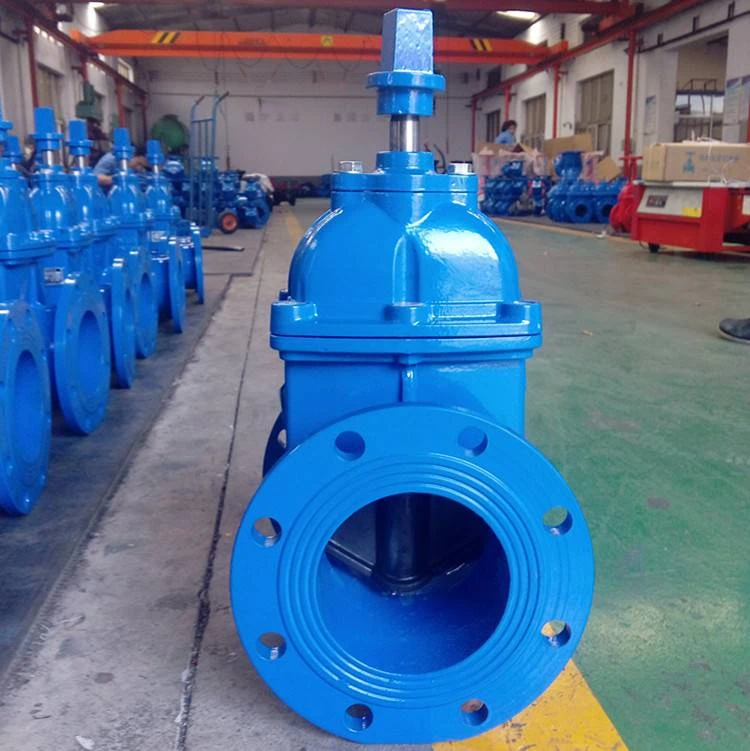
water valve pressure
Effectively managing water systems at home or in industrial settings hinges on understanding the nua
Using a Level for Accurate Measurements with a Marking Ruler
Using a Marking Ruler with Spirit Level A Guide to Precision in Projects When it comes to achieving

Y Type Strainer Compatibility with Corrosive Fluids
In industrial fluid systems where corrosive media like acids, alkalis, or saline solutions flow, mai
 English